



Caroline Wise ’26
June 15, 2026
The game that I thought would be filled with cheering fans was rather drowned out by the sound of my own heart beating.
All I could feel was my legs shaking and adrenaline in overdrive as my feet hit the floor running. It was my last year of minor lacrosse, and a shot to play in provincials was on the line. All the injuries, practices, tears, friendships, and legacy of this team all came down to one game.
Three periods. 60 minutes.
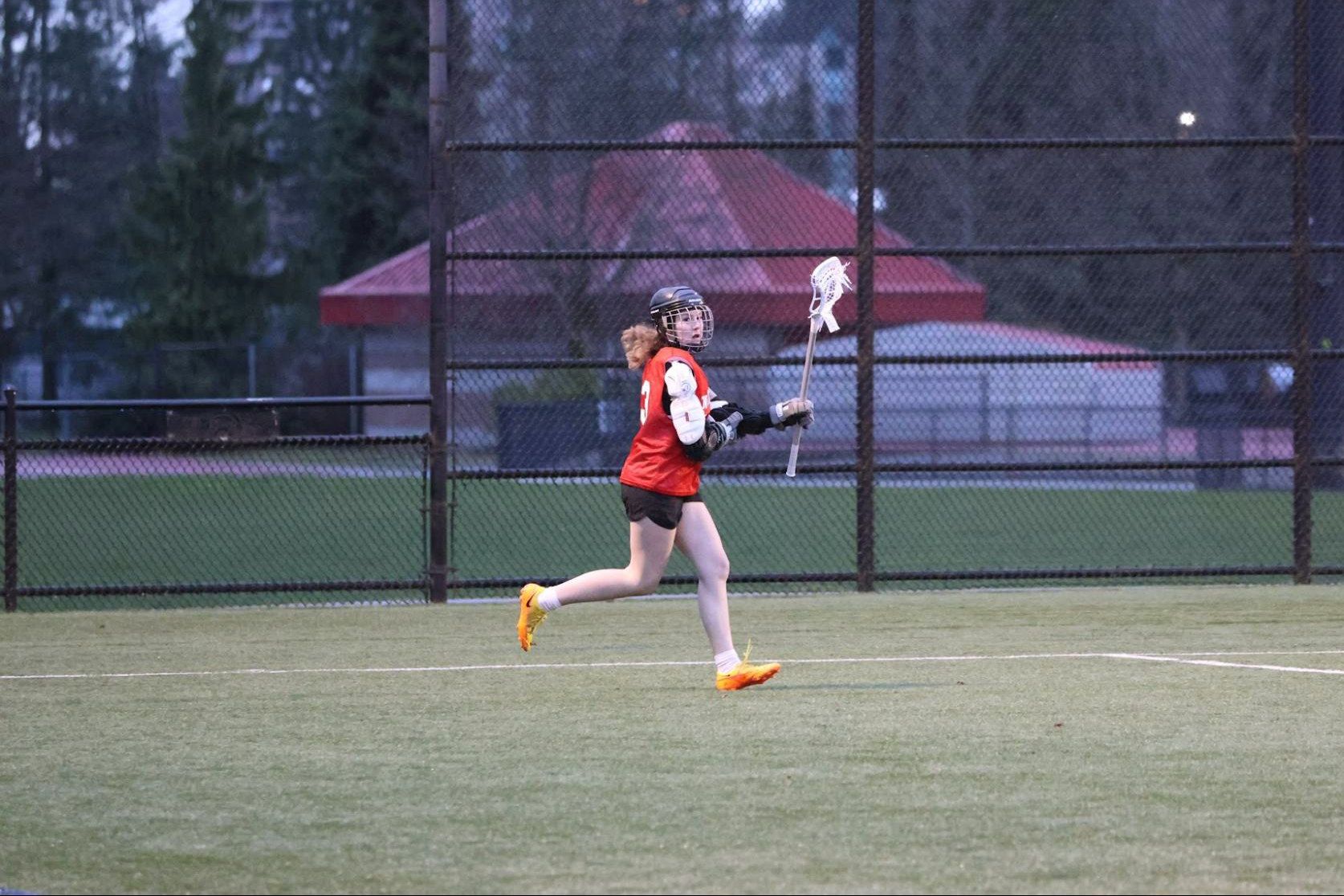
As captain of this team, the stakes and pressure were high because leadership meant so much more than the letter sewn onto my jersey. Even though lacrosse is a team sport, I felt like the world was on my shoulders.
As the referee dropped the ball for the face-off, we ran out of the gates flying. After two periods of play, we were down by a goal. But there was still one period left – these next 20 minutes were what we had all practised for.
In the next 20 minutes, I ran harder than I have ever run in my life, double-shifting after double-shifting and truly leaving it all on the floor. But play after play, we couldn’t get a break.
Penalties made me question the referee’s eyesight. We were hitting post after post, and shots just couldn’t find the back of the net. Then the final whistle blew, and we were bested by a team that everyone in the area knew we should have beaten. We had outplayed them the entire game, yet none of it mattered. Our season was over, and for many others, so was their minor lacrosse career. The dressing room emotions were at an all-time high. I felt like all the hard work I had put in over the years was for nothing.
What do you do when you’re supposed to be the front of the line and you’ve let your team down?
What do you do when your best isn’t good enough?
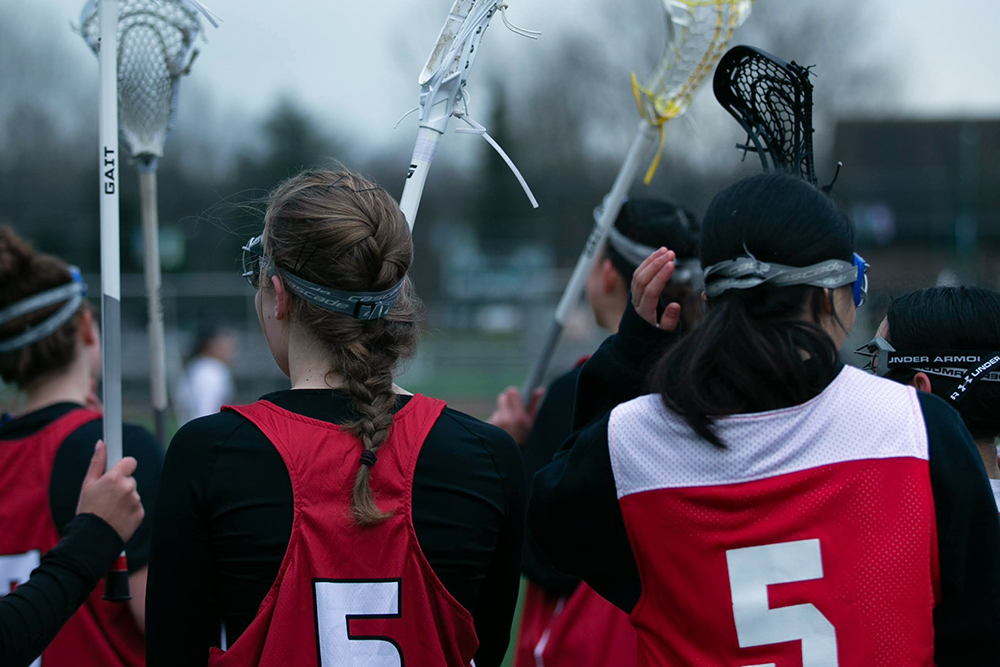
I’d felt that feeling before. The loss itself was heartbreaking, but the weight underneath it: the feeling that I didn’t belong or wasn’t worthy of my role and the expectations placed upon me, I’d felt that all throughout my sports career.
Growing up as a young woman in sports and having played sports my entire life meant that very few of my coaches were women, but the women who did coach me showed me what it truly meant to play like a girl. It takes pure grit and strength to succeed in all sports and I see it so clearly in the physical sport of lacrosse.
Being the eldest daughter means that you are always expected to be perfect. Get the perfect report card and score the game-winning goals. But as I’ve watched my younger brothers grow up, I had to accept that they will be faster and stronger than I am even though I have played the sport longer than they’ve been alive. And it’s not because “I run like a girl.” It’s just basic biology.
Never the fastest, never the strongest, and never the standout player. So how do you measure personal success and growth when your achievements seem marginal compared to your family and your peers?
Rather than comparing myself to others, I learned to accept that and sports became about playing my game and showing up. Because at the end of the day, you’ll never feel a sense of personal pride if your only source of gratification is always being unrivaled.
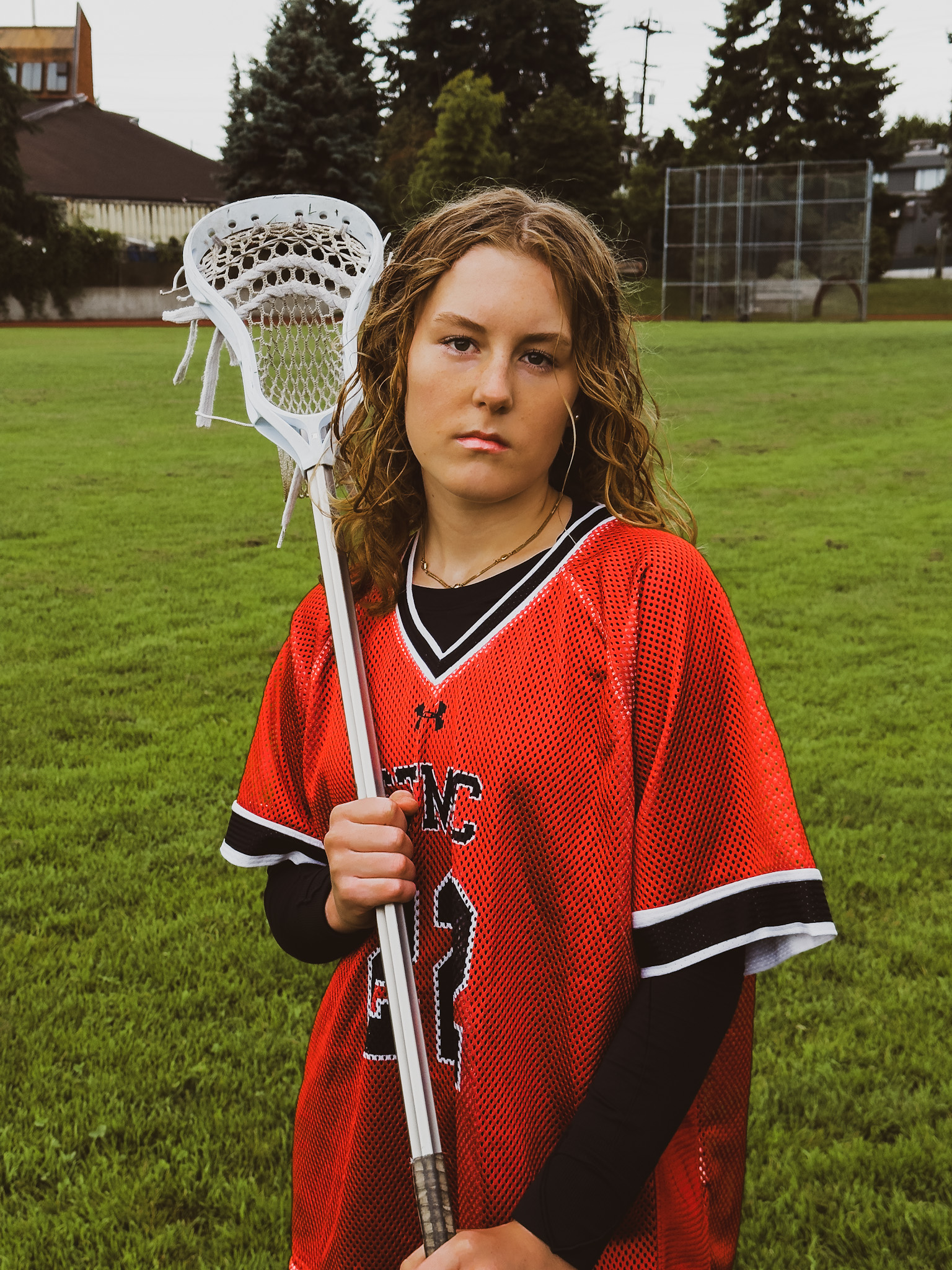
As a female athlete, I have experienced firsthand how players who used to love playing slowly fall out of love with the sport. Girls, sometimes, have to deal with hand-me-down gear and uniforms that were designed to fit the body of a boy. One in three teenage girls stops playing sports, compared to one in ten boys, and by age 17, 50% of girls have quit playing sports altogether. After playing organised sports for most of my life, I understood it. It’s the limited support systems, resources for equipment, limited teams, and minimal opportunities; it made sense. This can lead to decreased self-confidence and the feeling that this sport wasn’t made for you.
So why keep playing?
Sports, to me, are so much more than medals hanging on the wall. It’s carpool karaoke on the way to a game, late-night practices when everyone would rather be sleeping, and the unforgettable pre-game energy as you’re leaving the dressing room to play in a provincial game.
For me, the end goal was never a signed contract. It originated as an outlet for exercise and an orange slice at halftime. Now, it was about the relationships I’ve gained and my growing love of the game.
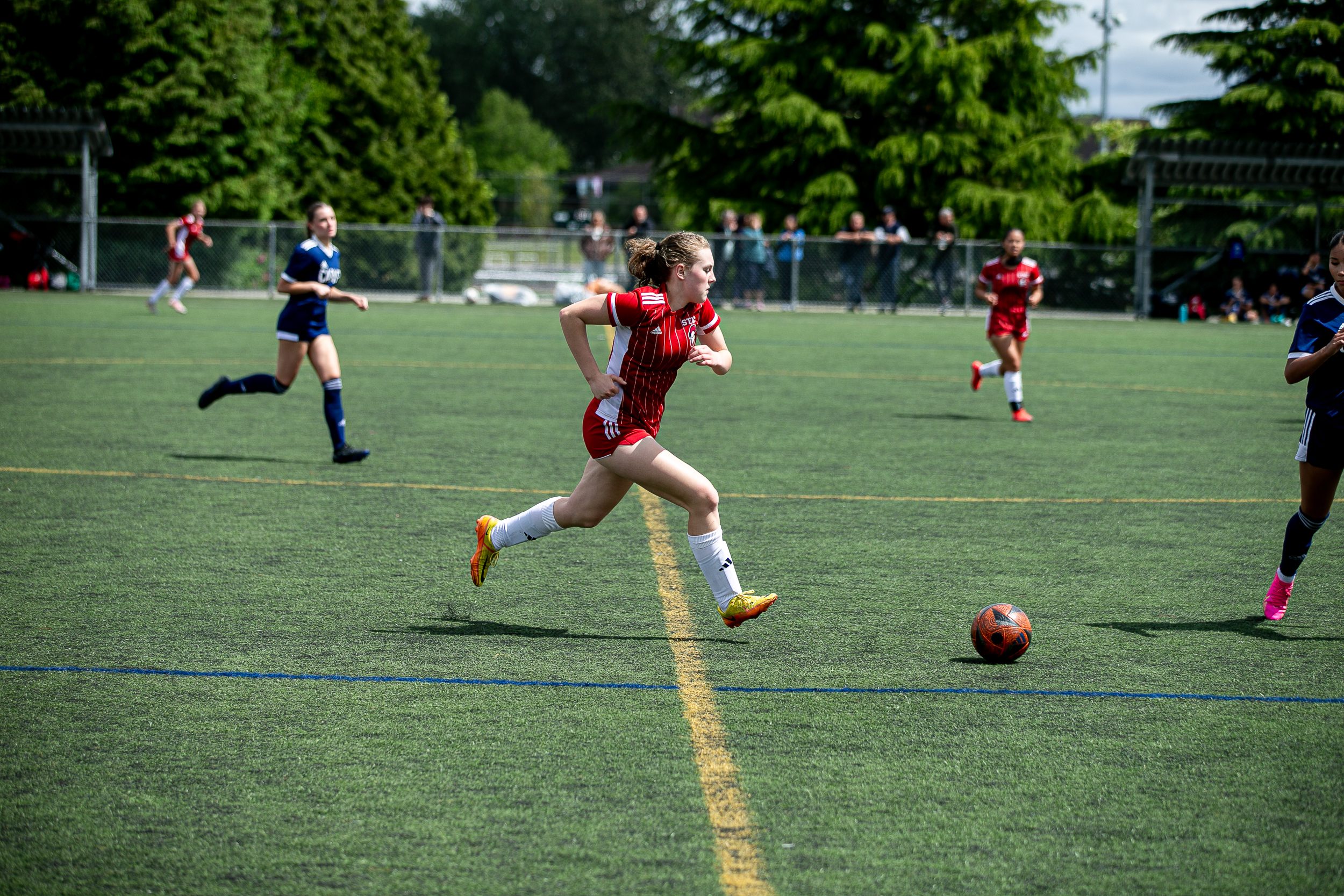
This is why I coach. I wanted to give back to my community and to hopefully inspire other young females to continue to play sports. Coaching allows me to mentor other young girls by being that example of an older girl who is supporting and uplifting them.
Through female representation, I hope to empower my players and show them that running like a girl means running your hardest to the ball, sprinting on breakaways, and stepping up to the challenges by trusting in your own strength.
Having a role model, especially a female one, has positively impacted my life. But looking up to someone isn’t everything.
You have to become your own person and develop your own unique playing and coaching style. Growing into your own individual person is the only way to be a successful role model to younger girls. Those who are looking for support and encouragement. I try to live by the motto “be the coach you wish you had”, because these girls aren’t looking for a superhero; they’re looking for someone who they can relate to.
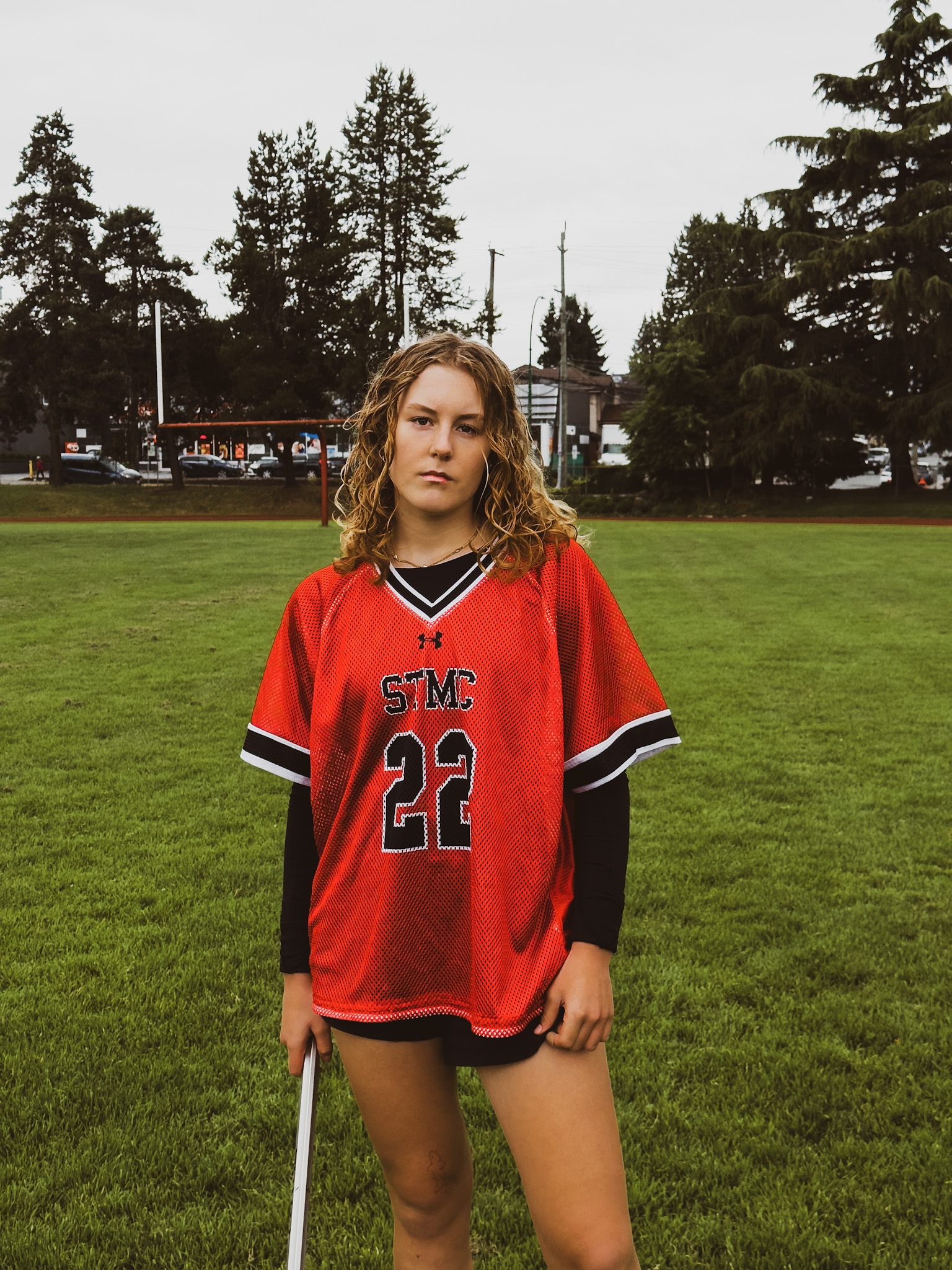
Someone who has been in their situation and is able to uplift them and show them that despite everything, they do belong.
I am grateful for my model coaches, and I hope they would be proud to see how much I’ve grown, both as a person and as a role model for other young female athletes.
When I play, the only game I know how to play is my own.
I play like a girl, coach like a girl, lead like a girl, and run like a girl.


